…from the rabbit holes that gave me good insights and interesting thoughts.

At the World Bank, a Shortage of Concrete (Language)
Questions to think about after reading…
- Can you identify other organizations/environments that follow a similar kind of discourse?
- Considering the bureaucratization of the Bank’s discourse, do you think that communication like bank reports should be written in simple plain prose and free of jargon?
- Is there a benefit to abstract reports for everyday citizens, or does it only preserve insider privilege?

Exploring the effect of user engagement in online brand communities: Evidence from Twitter
Questions to think about after reading…
- The reading focuses on activity levels and engagement of online brand customers/community members, but not so much about relationships. Think about the online brand communities you engage with on social networking sites. Do online brand communities actually provide a place for its members to build meaningful relationships or do corporations label themselves as “communities” to appear to have a sense of belonging and trust? Is there a place for real human connection?
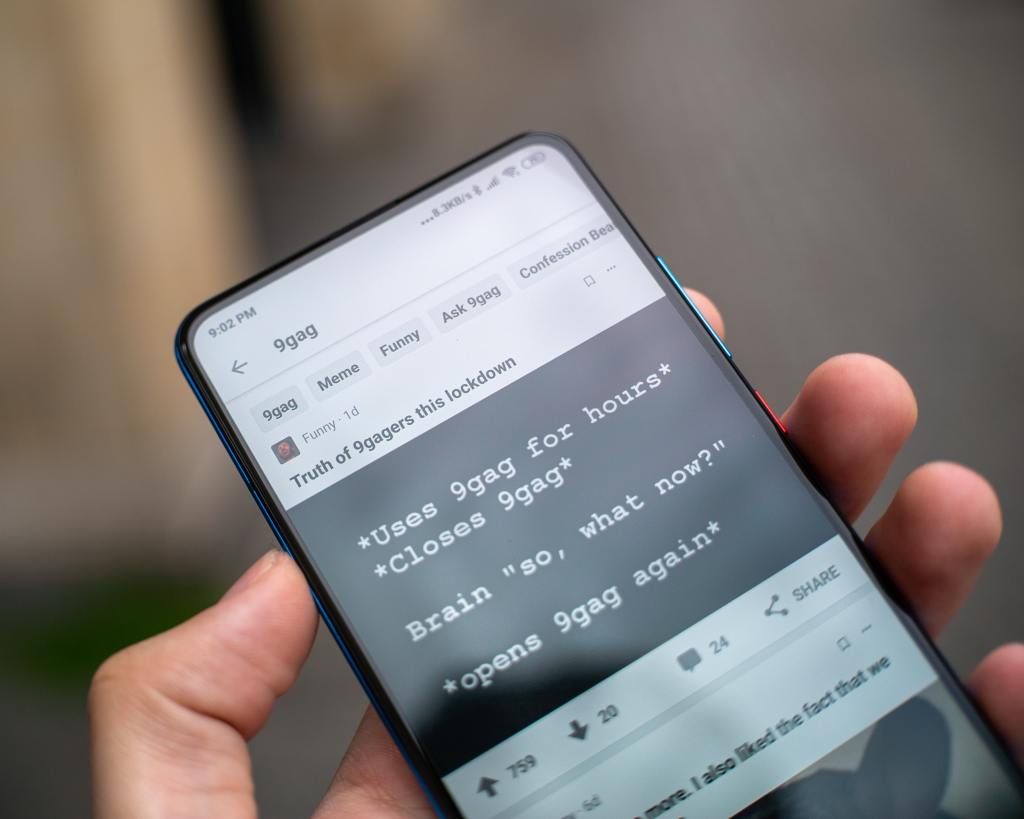
The Age of Post-Authenticity and the Ironic Truths of Meme Culture
Question to think about after reading…
In “On Truth and Lie in an Extra-Moral Sense”, Friedrich Nietzsche argues that language is incapable of expressing reality because it can only be used to refer to the human experience of that reality, never the reality itself. During comm theory lecture, we were discussing communication and the search for connection and there was a question brought up by a classmate. He noted that communication these days are not textual or verbally based, but through images, like sharing memes or using emojis. He then asked us: Are image-based communication better or worse for us in terms of accurate representations of reality? What do you think?
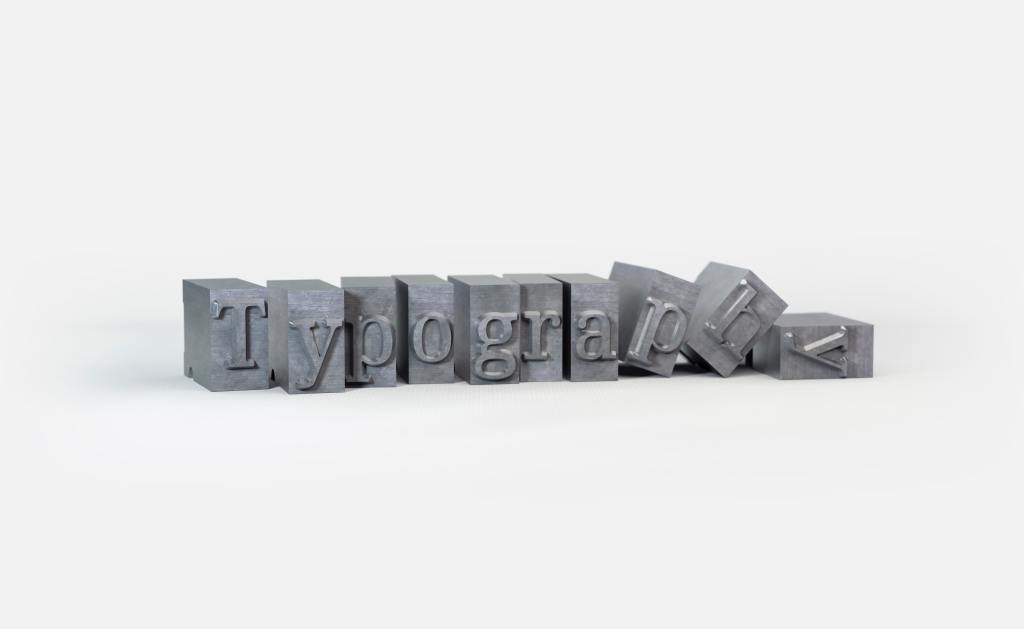
Typography and the branding of culture: a systemic functional analysis of typography’s performance in branding cultural festivals in Australia
Keep in mind while reading…
Semiotics is the study of meaning making. It’s a framework for understanding meaningful communication practices, and according to theorists Skaggs and Shank, it is the “explicit heart of graphic design theory”.

Using improvisation to enhance the efectiveness of brainstorming
Question to think about after reading…
What are some of your main ingredients for brainstorming effectively?

Attention, Economy and the Brain
Keep in mind while reading…
The attention economy is the idea that human attention is a rare commodity and the economy is the internet, where social media networks and other digital entities are competing for our attention and using information to acquire it.

What Strategists Can Learn from Music’s Crossover Artists
“Sometimes the best insights come from outside the category.”

The changing market for food delivery
Important traits of online food-delivery platforms based on customer behaviour…
 SARAH BOODRAM